
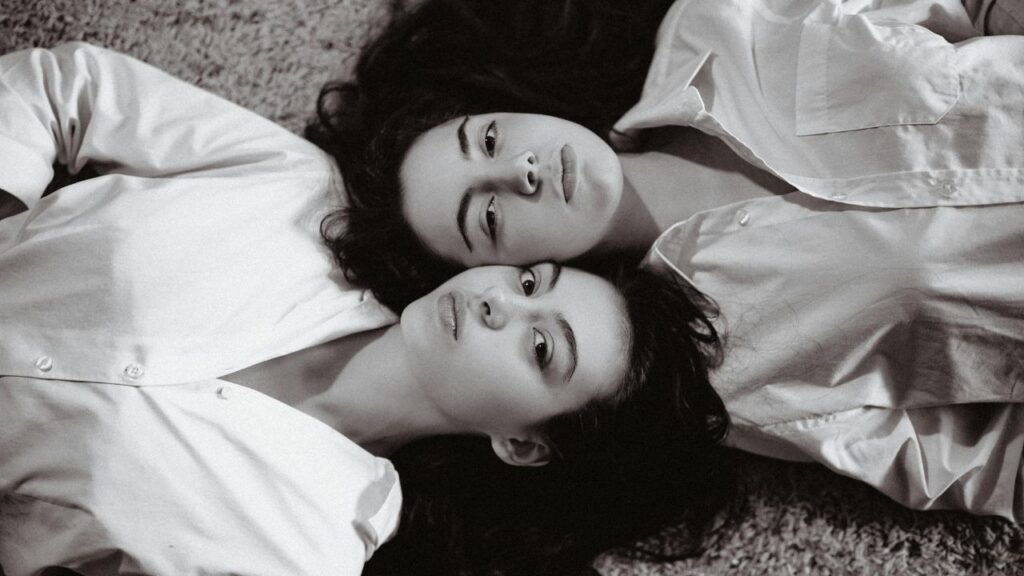
Over 1.4 trillion photographs are taken every year worldwide, yet only a tiny fraction of them are truly memorable. The best portrait photography ideas are the ones that make a viewer stop scrolling, lean in, and feel something. That gap between a forgettable snapshot and a portfolio-worthy portrait comes down to intention, technique, and creative vision.
Whether you are a beginner picking up your first camera or a working photographer looking to refresh your style, this guide gives you everything you need to shoot with purpose and build a portfolio that stands out.
Why Portrait Photography Is the Foundation of Every Great Portfolio
Portrait photography is the most universal photographic discipline there is. Every person has a face, a story, and an emotion worth capturing. According to Adobe’s photography research, portraits consistently rank as the most viewed and engaged category across photo portfolio platforms globally.
But here is the thing. Most portrait photographers get stuck shooting the same types of sessions in the same way, over and over. Safe poses. Predictable locations. Flat lighting. If that sounds familiar, this guide is for you.
Strong portrait photography ideas push you to think beyond the standard headshot and explore the full creative range of what portraiture can be.
Start With the Fundamentals: Light, Location, and Connection
Before diving into specific concepts and styles, let me be honest with you. No creative idea saves a poorly lit portrait. Light is everything in this genre.
Outdoor Natural Light Portraits
Outdoor portrait photography ideas are a great starting point because natural light is free, forgiving, and available everywhere. The key is timing. Shoot during golden hour (30 to 60 minutes after sunrise or before sunset) for warm, directional light that flatters every skin tone. Avoid harsh midday sun, which creates unflattering shadows under the eyes and nose.
Overcast days are actually a hidden advantage. Clouds act as a giant natural softbox, diffusing light evenly across your subject’s face. This is ideal for capturing skin texture, soft emotion, and fine detail without dramatic shadows.
Locations matter too. An interesting environment adds depth and context to your portrait. Urban walls, forests, open fields, staircases, and doorways all provide natural framing that elevates the final image without any extra equipment.
Studio Lighting for Controlled Results
Studio portrait photography ideas give you complete control over every element of your image. No chasing sunsets. No unpredictable weather. Just you, your subject, and the light you build.
Learning classic lighting setups transforms your studio work immediately. Rembrandt lighting, where one side of the face is lit, and the other carries a small triangle of light on the cheek, creates a dramatic, painterly quality that works beautifully for male subjects and character-driven portraits. Butterfly lighting, with the key light placed directly in front and above the subject, produces a glamorous, sculpted look ideal for beauty and fashion work.
Even a single speedlight or affordable continuous light panel is enough to start building serious studio portraits. Start simple, then build complexity as your skills grow.
Creative portrait photography ideas That Set Your Work Apart
Creative portrait photography ideas: Using Color and Projection
Projecting patterns, textures, or images directly onto a subject’s face and body creates visually striking portraits that feel cinematic and conceptual. Use a projector, a gobo with cut-out patterns, or even a simple colander held in front of a light source to throw interesting shadows across your subject.
Bold color gel lighting is another powerful tool. A deep blue background with warm amber on the subject creates instant visual tension and mood. Color theory applied to portrait lighting separates serious photographers from casual ones.
Double Exposure and In-Camera Tricks
Many modern cameras offer built-in double exposure modes that blend two images in-camera. Overlay a forest scene onto a close-up portrait, or merge a city skyline with a silhouette. This technique creates deeply conceptual images that feel artistic without requiring advanced post-processing skills.
Minimalist Portraits
Sometimes less is more. A plain white or black background, one carefully placed light source, and a subject with strong bone structure or expressive eyes can create images more powerful than any elaborate setup. Minimalism forces the viewer to focus entirely on the person. That is a very intentional and effective choice.
Self-Portrait Photography: Build Skills and Your Own Brand
Self-portrait work is one of the most underrated ways to grow as a photographer. Self-portrait ideas in photography push you to think like both the subject and the photographer simultaneously. That dual perspective makes you dramatically better at directing other people.
For male photographers and subjects, self-portrait photography ideas (Men) often work best with dramatic side lighting, strong environmental context, and a confident, relaxed posture. Avoid stiff or overly posed positions. The best male portraits feel inhabited, like the subject belongs exactly where they are.
For female subjects and photographers, photography Ideas for Women tend to shine when there is emotional honesty in the frame. A woman looking directly into the lens with quiet confidence, or caught in a genuine moment of laughter, creates portraits that feel powerful and real.
Posing: The Skill That Transforms Good Portraits Into Great Ones
Posing is one of the most anxiety-inducing parts of portrait photography, both for the photographer and the subject. Most people have no idea what to do with their hands the moment a camera appears. Your job as the photographer is to fix that.
Pose ideas for photography do not have to be complicated. The most effective poses create gentle S-curves in the body, avoid flat or straight-on stances, and keep hands doing something natural: resting on a surface, lightly touching the face, or holding a prop.
Ideas for poses in photography for seated subjects work especially well because sitting naturally relaxes people. Have your subject lean slightly forward, rest elbows on knees, or turn slightly away from the camera and look back. These small adjustments instantly add dynamism to what could be a static image.
Specialty Portrait Photography Styles Worth Mastering
Glamour and High-Fashion Portraits
Glamour photoshoot ideas blend polished lighting, strong makeup, and intentional wardrobe to create images that feel aspirational and editorial. This style is ideal for building a portfolio that attracts commercial and fashion clients. Focus on butterfly lighting, clean backgrounds, and wardrobe coordination between the subject and set design.
Pin-Up and Retro Aesthetics
Pin-up photography ideas draw from the bold, playful aesthetic of 1940s and 1950s visual culture. Think bold red lips, polka dots, high-waisted silhouettes, and warm, punchy color grading. This style is growing in popularity as a fun and empowering option for clients who want something spirited and nostalgic.
Modeling and Commercial Portraiture
Modeling photography ideas and photoshoot model ideas cover a wide range, from editorial fashion to commercial headshots for agency submissions. The key difference from standard portraits is intentionality around clothing, movement, and visual storytelling. Models are often directed to move rather than stay still, with the photographer capturing frames throughout the movement.
Boudoir Photography: Intimacy and Empowerment
Boudoir is one of the fastest-growing portrait photography niches globally. Done well, it creates images that feel intimate, empowering, and deeply personal for the subject.
Boudoir photography ideas work best in soft, natural window light or carefully diffused artificial light. The goal is always to make the subject feel beautiful, confident, and completely at ease. Safety, communication, and trust are non-negotiable foundations for this type of work.
Boudoir photoshoot ideas span a wide creative range. From clean, minimalist fine art approaches to moody, dramatic editorial setups, the style you choose should match your brand and your client’s personality.
Vintage boudoir photography ideas incorporate retro styling elements: old Hollywood lighting, sepia or film-grain editing, antique furniture and props, and classic pin-up or burlesque aesthetics. This niche is particularly popular among clients who want something unique, nostalgic, and deeply personal.
Couples’ boudoir photography ideas are a growing category as more couples seek intimate, artistic portraits together. These sessions celebrate partnership and connection and produce images that are among the most treasured a couple will ever own.
Boudoir photography outfit ideas are a genuinely important part of the planning process. Guide clients toward pieces that photograph well: silk robes, lace details, oversized shirts, and clean lines. Avoid overly busy patterns or colors that clash with the lighting setup you have planned.
Building a Portfolio With a Consistent Visual Identity
Here is something most photography courses do not teach you directly. A great portfolio is not just a collection of good images. It is a curated visual statement about who you are as a photographer.
To build a portfolio that attracts the right clients, ask yourself: what do your best images have in common? Is it a color palette? A lighting style? A type of subject? Once you identify your visual identity, edit your portfolio ruthlessly to only show work that reflects it.
Shoot personal projects between paid work. Personal projects are where your most creative and portfolio-worthy images come from. Set a brief for yourself, execute it with intention, and publish the results. This is how photographers build authority and attract clients who align with their creative vision.
If you are expanding into wedding and event portraiture, explore how portrait photography techniques transfer into that context through wedding photography ideas, where candid storytelling and technical precision combine in powerful ways.
Frequently Asked Questions
What are the best portrait photography ideas for beginners?
Start with outdoor natural light portraits during golden hour, using a simple background and one subject. Focus on connection, genuine expression, and clean composition before worrying about advanced lighting or creative concepts. Master the basics first. The creative ideas have far more impact once your fundamentals are solid.
What camera settings work best for portrait photography?
Most portrait photographers shoot in aperture priority or full manual mode. Use a wide aperture (f/1.4 to f/2.8) for background blur and subject separation. Keep your ISO as low as possible to reduce grain, and match your shutter speed to at least your focal length to avoid motion blur. A 50mm or 85mm lens is the standard for flattering perspective on most portrait subjects.
How do I make my portrait photography more creative?
Experiment with creative portrait photography ideas like color gel lighting, projection techniques, double exposures, and environmental storytelling. Change your perspective by shooting from above or below eye level. Use negative space intentionally. The most creative portraits come from asking, “What would happen if I tried this?” and then actually trying it.
What is the difference between glamour and boudoir photography?
Glamour photography focuses on beauty, style, and aspirational aesthetics, usually with full wardrobe and makeup styling, and is appropriate for commercial and editorial use. Boudoir photography is more intimate and personal, typically featuring lingerie or implied nudity, and is primarily created for the subject’s personal enjoyment or as a gift. Both require strong posing direction, flattering light, and a high degree of trust between photographer and subject.
How do I build a portrait photography portfolio from scratch?
Start by photographing friends, family, and volunteers in exchange for creative freedom. Shoot a variety of styles, including studio portrait photography, outdoor natural light portraits, and at least one specialty niche like glamour or fine art. Once you have 10 to 15 strong images that share a consistent aesthetic, build a clean online portfolio and begin marketing your work.
What makes a portrait photograph memorable?
The most memorable portraits share three qualities: genuine emotion or expression, technically strong light, and a visual composition that draws the eye directly to the subject. Technical skill gets you 50% of the way there. The other 50% is the human connection between you and the person in front of your lens. That connection is what makes a portrait unforgettable.
Great portrait photography ideas are not about chasing trends. They are about developing your eye, understanding light, connecting with your subjects, and executing your vision with technical confidence. The photographers whose work endures are the ones who keep pushing their creative boundaries, one frame at a time.