
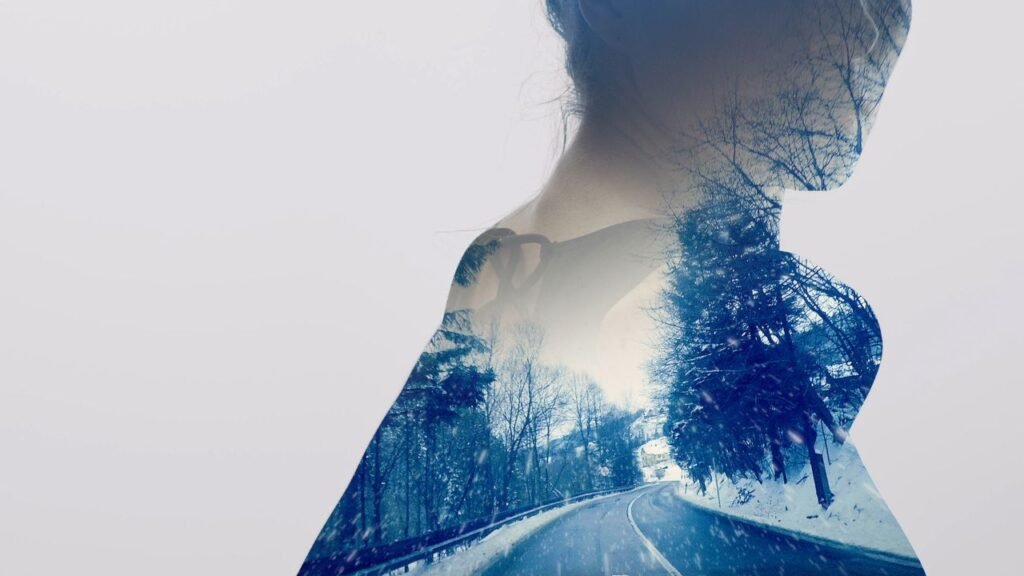
Most photographers never try double exposure photography ideas because they think it is too complicated. I used to think the same thing. Then I tried it once, and I have not looked back since.
Here is the truth: double exposure photography is one of the most artistic techniques you can learn right now. It layers two images into one frame to create a surreal, dreamlike result that feels impossible. And in 2026, it is blowing up on every visual platform from Instagram to Pinterest.
Let me show you exactly how to get started and what ideas actually work.
What Is Double Exposure Photography?
Double exposure photography is a technique where two separate images are blended into a single photograph. The result is one layered image where both visuals exist at the same time, like a forest growing inside a human face, or a city skyline merging with a portrait.
What is double exposure photography at its core? It is visual storytelling. Two images, one powerful message.
Originally done on film by exposing the same frame twice, today you can achieve this effect both in-camera and in editing software like Photoshop or Lightroom.
Why Double Exposure Is Trending in 2026
Surreal, artistic content performs exceptionally well on social media right now. Surreal double exposure photo effects and moody double exposure nature photography are among the most saved and shared photography styles across visual platforms in 2026.
The reason is simple. People are tired of flat, forgettable images. A strong double exposure image stops you mid-scroll because your brain needs a second to process what it is seeing. That pause is engagement gold.
Top Double Exposure Photography Ideas to Try
1. Portrait Blended with a Forest
This is one of the most iconic creative double exposure portrait ideas you can try. Shoot a clean silhouette portrait against a bright sky, then layer it with a forest or tree canopy image. The texture of the branches filling the face creates something that feels alive and cinematic.
2. Silhouette Double Exposure
Silhouette double exposure photography works beautifully because the dark outline of a person gives you a clean shape to fill. Use a bold, high-contrast background image like a cityscape, ocean waves, or a starry sky to blend inside the silhouette.
3. Double Exposure with Flowers and Skin Tones
Soft and romantic, this style layers close-up flower photography over a face or hand. The result is dreamy and editorial. It works brilliantly for creative double exposure portrait ideas and performs well for personal branding and beauty content.
4. Moody Nature and Architecture
Blend a misty landscape with the hard lines of an urban building for a moody, cinematic shot. Moody double exposure nature photography paired with architecture creates a compelling contrast that feels both raw and refined.
5. Double Exposure with Trees and Faces
Double exposure photography with trees and faces is a technique that photographers have been using for years, and it never gets old. The organic shapes of branches and leaves fit naturally inside the curves of a human face, making the composition feel intentional and artistic.
How to Shoot Double Exposure in a Camera
You do not always need Photoshop. Many modern cameras have a built-in multiple exposure mode that does the blending for you live. Here is how to do it:
- Set your camera to multiple exposure mode in the menu
- Take your first shot, ideally a silhouette or portrait with a clean background
- Take your second shot, a texture, landscape, or nature scene
- Your camera blends both frames automatically into one image
For double exposure photography, camera settings, shoot at a low ISO like 100 to 200, use aperture priority mode, and keep your background as bright and clean as possible for the first frame.
Best Apps and Tools for Double Exposure
If you want to create the effect digitally, here are your best options:
- Photoshop remains the gold standard for a double exposure effect in a Photoshop tutorial approach, giving you full control over blending modes and opacity
- PicsArt offers a quick and beginner-friendly double exposure effect tool online
- Snapseed and Adobe Lightroom Mobile work well for on-the-go blending and mobile editing
DIY Double Exposure Photography at Home
DIY double exposure photography at home is more accessible than most people think. You do not need a studio or expensive gear. A window, a clean wall, and a smartphone with a layering app are enough to get started.
If you are building your creative portfolio and looking for more ways to expand your visual style, pairing double exposure photography with still life photography ideas is a great next step. Both techniques focus on intentional composition and mood, and they complement each other well in a photography portfolio.
Frequently Asked Questions
What is double exposure photography?
Double exposure photography is a technique that blends two images into a single frame, creating a surreal, layered visual effect. It can be done in-camera using multiple exposure mode or in post-processing software like Photoshop.
How do you do double exposure photography?
To shoot a double exposure in camera, set your camera to multiple exposure mode, take a first shot of a silhouette or portrait, then take a second shot of a texture or landscape. The camera blends both images automatically. For digital editing, use Photoshop’s layer blending modes to merge two photos with controlled opacity.
What camera settings work best for double exposure?
Use a low ISO (100 to 200), shoot in aperture priority mode, and keep your first frame well-lit with a clean, bright background. A tripod helps maintain consistency between the two shots.
Can you do double exposure on a smartphone?
Yes. Several of the best apps for double exposure photography, like PicsArt, Snapseed, and Adobe Lightroom Mobile, allow you to create the double exposure effect directly on your phone without any professional software.
What subjects work best for double exposure?
Silhouette double exposure photography works best because clean outlines give the blended image a defined shape. Portraits, architectural shapes, and simple nature silhouettes against bright skies are ideal starting subjects.