
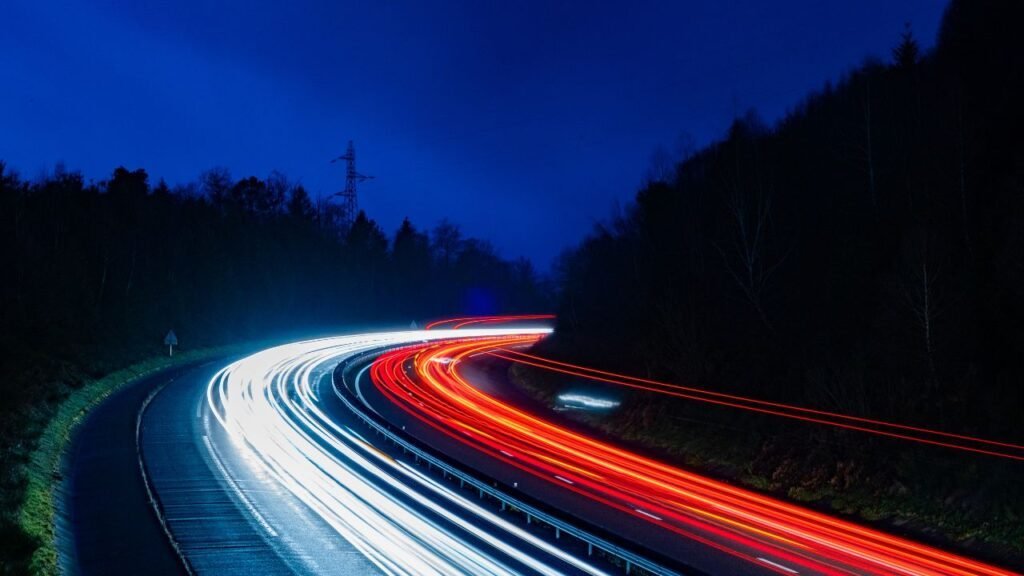
Want to make time stand still in a single photograph? Long exposure photography ideas are exactly what you need to try in 2026. This technique has the power to turn a rushing waterfall into smooth silk, a busy road into a river of glowing light, and a night sky into a canvas full of spinning stars.
I have been experimenting with long exposure for years, and every single time, the results still surprise me. The good news is you do not need to be a professional to pull it off. You just need the right ideas, a tripod, and a little patience.
What Is Long Exposure Photography?
Long exposure photography is a technique where you use a slow shutter speed to let your camera sensor absorb light over a longer period of time. Instead of freezing a moment, you are capturing movement, light, and time all in one frame.
How does long exposure photography work? When the shutter stays open for several seconds or even minutes, anything that moves in the scene gets blurred or disappears, while everything still stays sharp. The result is a dreamy, almost magical image that looks nothing like what your eye sees in real life.
Why Long Exposure Is Trending in 2026
Long exposure content is performing exceptionally well on visual platforms right now. Photographers who consistently experiment with long exposure light trail photography, star trails long exposure photography, and silky water long exposure photography are seeing strong engagement across Instagram and Pinterest in 2026.
The reason is simple. These images look impossible. People stop and stare because they cannot figure out how the photo was taken. That curiosity drives saves, shares, and clicks.
Top Long Exposure Photography Ideas to Try Now
1. Silky Waterfall Photography
This is one of the most popular long exposure waterfall photography ideas for a reason. Set your shutter speed between 1 and 5 seconds, point your camera at a flowing waterfall, and watch the water transform into smooth, soft ribbons. It looks cinematic every single time.
2. Light Trail Photography
Head to a busy road or bridge at night and keep your shutter open for 10 to 30 seconds. The headlights and taillights of passing cars turn into long glowing streaks across your frame. Long exposure light trail photography is one of the easiest ways to create a dramatic, professional-looking shot in any city.
3. Star Trails
If you want to go epic, try star trails long exposure photography. Set your camera to shoot multiple exposures over several hours, then stack them in post-processing. The stars trace perfect arcs across the sky, and the result looks like something from a sci-fi film. You need a clear night sky, a sturdy tripod, and a remote shutter release.
4. Light Painting at Home
Light painting photography ideas at home are perfect for rainy days or when you cannot get outdoors. Turn off all the lights in a room, set your shutter to 10 to 20 seconds, and use a torch or sparkler to draw shapes in the air. You can write words, draw animals, or create abstract art. The camera captures every movement of the light.
5. Blurred Crowd or Street Photography
Set your camera on a tripod in a busy public space and use a 2 to 5 second exposure. People walking through the frame will blur or disappear completely, leaving behind a ghostly, cinematic scene. Long exposure photography ideas at home or in the city, like this, create a surreal atmosphere that is hard to achieve any other way.
6. Smooth Ocean Waves
Point your camera at the ocean during golden hour and use an ND filter for long exposure photography to allow a 10 to 30 second exposure in daylight. The waves flatten out into a glassy, mirror-like surface that makes the horizon look impossibly clean and peaceful.
Essential Gear for Long Exposure Photography
You do not need much to get started. Here is what I always recommend:
- A camera with manual or shutter priority mode for full control over camera settings for long exposure photography
- A sturdy tripod for long exposure photography to eliminate any camera shake during long exposures
- A neutral density filter to reduce light in bright conditions, so you can use slow shutter speeds during the day
- A remote shutter release or your camera’s self-timer to avoid touching the camera while the shutter is open
Long Exposure and Other Creative Techniques
Once you get comfortable with long exposure, it is worth exploring other layered techniques too. If you enjoy blending images and creating surreal effects, check out double exposure photography ideas as a natural next step. Both techniques push your creativity in completely different but equally rewarding directions.
Frequently Asked Questions
What shutter speed should I use for long exposure photography?
For most long exposure photography ideas, a shutter speed between 1 second and 30 seconds works well. Silky water long exposure photography typically needs 1 to 5 seconds, while star trails long exposure photography requires several minutes or even hours.
Do I need a tripod for long exposure photography?
Yes, absolutely. A tripod for long exposure photography is essential. Even the slightest camera movement during a long exposure will blur your entire image, not just the moving elements. A sturdy tripod keeps everything sharp except what you want to be blurred.
What is an ND filter, and why do I need it?
An ND filter for long exposure photography is like sunglasses for your camera lens. It reduces the amount of light entering the lens, which lets you use a slow shutter speed even in bright daylight. Without one, your image will be completely overexposed in daytime long exposure shots.
Can I try long exposure photography at home?
Yes. Light painting photography ideas at home are one of the easiest ways to practice the technique indoors. All you need is a dark room, a torch or LED light, and your camera set to a slow shutter speed of 10 to 20 seconds.
What are the best subjects for long exposure photography?
The best subjects include moving water, car light trails, night skies, crowds of people, and ocean waves. All of these subjects create dramatic movement that long exposure photography tips for beginners consistently highlight as ideal starting points.